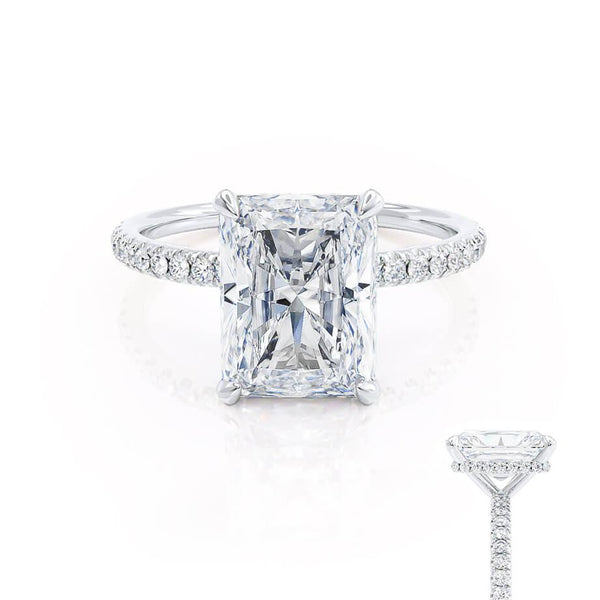
Modern fashion is often seen as fast moving, innovative and constantly shifting, yet many of its most distinctive ideas trace their roots back to earlier eras. In the evolving landscape of design, brands, artisans and trendsetters frequently revisit historical aesthetics to create something fresh for contemporary audiences. This revival is especially noticeable in jewelry, accessories and fine craftsmanship, where names like lily arkwright appear alongside references to traditional techniques, materials and silhouettes. The blending of old and new creates a unique dialogue between past and present, offering consumers style that feels both familiar and forward looking.
Fashion has always been cyclical. What once went out of style eventually returns, reshaped by cultural context and modern tastes. Designers study archives, museums and vintage collections not only to find visual inspiration but also to understand the craftsmanship that defined earlier periods. Whether it is the structured elegance of the Victorian era, the soft romanticism of the Regency period or the bold geometry of the Art Deco movement, historic elements serve as a foundation upon which new interpretations are built. These reinterpretations help create trends that feel rooted in tradition while maintaining an appeal suited to contemporary lifestyles.
One of the most visible examples of historical revival is seen in silhouettes and tailoring. For instance, high waisted trousers, corset inspired tops and voluminous sleeves all echo past centuries while being adapted for comfort and versatility. Rather than simply replicating older garments, designers integrate modern fabrics, lighter construction techniques and practical details, making historical styles wearable in everyday settings. This fusion keeps the essence of the past alive without losing the functionality expected in modern fashion.
Accessories also play a significant role in carrying forward historical influences. Jewelry designs often draw on classical motifs such as filigree, engraving or gemstone cuts that were favored in earlier eras. Contemporary creators interpret these features in new materials or combine them with minimalist elements to suit today’s aesthetic preferences. As a result, consumers can enjoy pieces that embody timeless beauty infused with a modern sensibility. This approach also encourages a greater appreciation for craftsmanship, reminding wearers of the artistry embedded in earlier traditions.
The revival of historical inspirations extends into patterns and textiles, where prints once associated with certain periods gain new life. Florals reminiscent of nineteenth century wallpaper, lace patterns inspired by Renaissance detailing and geometric motifs borrowed from mid twentieth century graphic art regularly return to runways and ready to wear collections. These patterns resonate with people who enjoy nostalgic elements while also offering designers a broad creative palette to reinterpret.
Beyond aesthetics, historical revivals can influence the storytelling aspect of fashion. Brands increasingly highlight the traditions or cultural narratives that shaped their designs, providing context that enriches the experience of the wearer. This storytelling connects consumers with the deeper lineage behind their clothes, fostering a sense of continuity between past generations and the present day. It also encourages mindful consumption by drawing attention to enduring styles rather than seasonal novelty.
Ultimately, fashion’s ongoing relationship with history demonstrates that inspiration never fades; it evolves. By revisiting earlier eras and reimagining their defining features, designers ensure that the past remains an active part of the creative cycle. These revivals offer modern audiences a blend of heritage and innovation, proving that history continues to shape the future of style in meaningful and captivating ways.