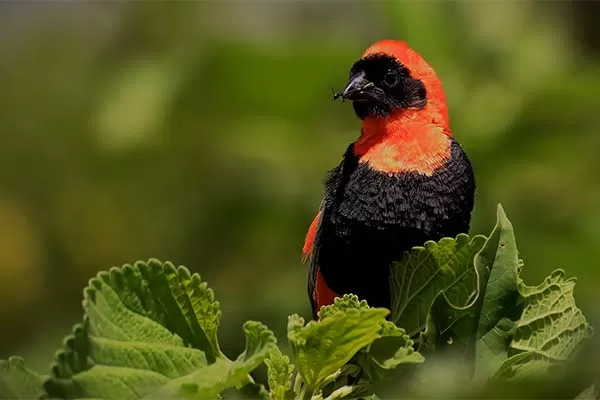
Bird watching tours in Kenya offer an extraordinary opportunity to discover one of Africa’s most diverse and fascinating birding destinations. With its combination of savannahs, forests, wetlands, mountains, lakes, and coastal habitats, Kenya supports an impressive variety of bird species. From colorful sunbirds and vibrant bee-eaters to majestic eagles and elegant flamingos, the country provides rewarding experiences for both experienced birders and travelers discovering bird watching for the first time.
Kenya’s geographical diversity is one of the main reasons it is such an exceptional birding destination. Different habitats support different bird communities, allowing visitors to encounter a remarkable range of species during a single tour. Expert local guides can make the experience even more rewarding by identifying birds through their calls, behavior, flight patterns, and distinctive markings.
One of the most popular destinations for bird watching tours is Located in the Great Rift Valley, the park is well known for its lake and surrounding habitats. Waterbirds can be particularly rewarding here, with opportunities to see flamingos, pelicans, herons, egrets, storks, and other species depending on seasonal conditions. The park’s woodland and grassland habitats also attract numerous smaller birds and birds of prey.
While internationally famous for its large mammals and the Great Migration, the reserve also provides excellent birding opportunities. The open grasslands and scattered trees support raptors, rollers, bee-eaters, weavers, starlings, hornbills, and ground-dwelling species. Bird watching can easily be combined with traditional game drives, creating a diverse wildlife experience.
is a particularly important destination. Its dense vegetation provides habitat for a variety of forest specialists that are difficult to find in open landscapes. Guided walks through the forest can reveal colorful species hidden among the leaves, making patience and careful listening essential. The forest environment also provides a refreshing contrast to Kenya’s famous savannah ecosystems.
Kenya’s coastal region offers another dimension to bird watching. Coastal forests, wetlands, and shoreline habitats attract resident and migratory species, providing opportunities to observe birds that may not be encountered inland. Combining coastal birding with a safari through Kenya’s interior can create a comprehensive bird-watching itinerary.
Timing plays an important role in planning a successful bird watching tour. Birds can be observed throughout the year, but seasonal changes can influence species activity and habitat conditions. Early mornings are generally among the most productive periods because birds are active and temperatures are cooler. Late afternoons can also provide excellent opportunities, particularly when the light becomes softer and more suitable for photography.
Birding tours in Kenya are not limited to simply identifying species. They offer an opportunity to learn about ecosystems, animal behavior, conservation, and the relationships between birds and their habitats. Experienced guides can explain feeding patterns, breeding behavior, migration, and the ecological importance of different species.
For a comfortable and successful trip, birders should bring good-quality binoculars, a camera with a suitable telephoto lens, a field guide, sunscreen, insect repellent, comfortable clothing, and sturdy footwear. A notebook or digital species list can also be useful for recording sightings throughout the journey.
Responsible tourism is equally important. Bird watchers should avoid disturbing nests and breeding colonies, maintain a respectful distance from wildlife, follow park regulations, and minimize their impact on sensitive habitats. Supporting responsible tour operators and local guides can also contribute to conservation and community development.
Ultimately,Bird watching tours in Kenya offer much more than a checklist of species. They provide a chance to explore remarkable landscapes, experience the sounds and colors of the African wilderness, and develop a deeper appreciation for nature. Whether exploring lakes and wetlands, walking through ancient forests, or watching raptors soar above the savannah, Kenya promises an unforgettable birding adventure for every nature enthusiast.